Aesthetics as soul-care (and why it’s not consumerism)
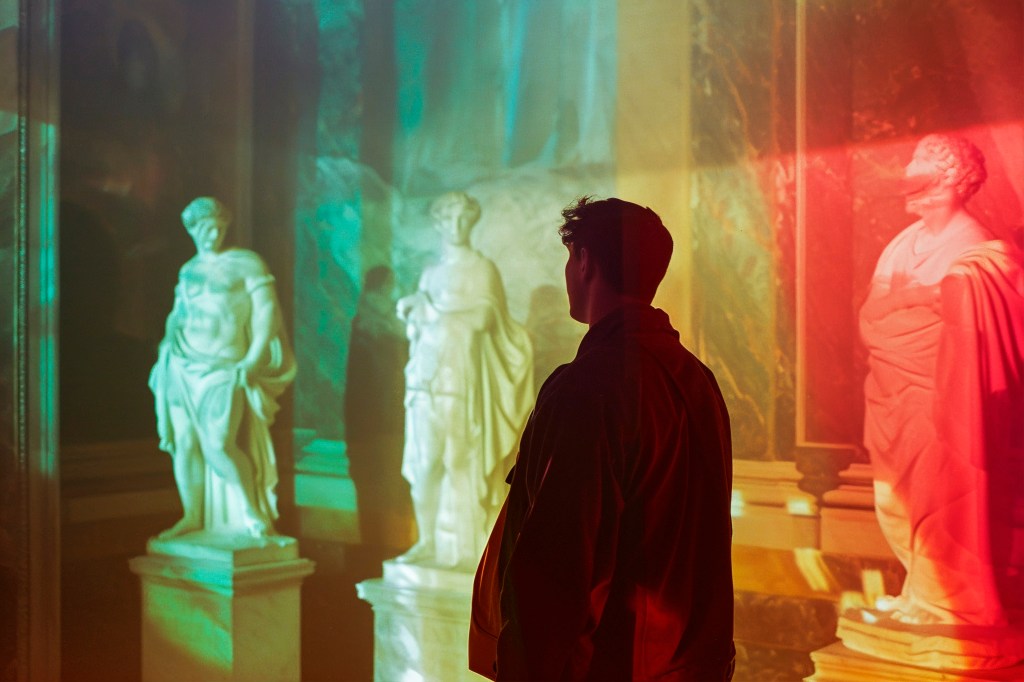
Aesthetics, in the philosophical sense, isn’t ornament; it’s the study of perception. Since Baumgarten and Kant, it asks: how do we sense, what moves us, why does beauty matter? Beauty isn’t mere taste; it’s an experience that re-orders our inner world. A museum visit — becomes training in attention, breath, and silence.
When we meet a work of art, something within us takes shape. A single brushstroke can return our breath; a well-lit room can open the chest; a sculpture can restore our axis. Lived with presence, aesthetic contemplation shifts mood: it slows us down, integrates, and offers meaning (even wordlessly).
This is the opposite of consumerism. Consumerism promises fullness by accumulation yet runs on scarcity: “you lack; buy.” Aesthetics offers fullness by encounter: “something arrived; behold.” In a free museum visit we don’t own the works; we let them briefly “own” us — and that is enough to remember the world is not only useful; it is gratuitous and beautiful.
Practical cues: arrive early, breathe slowly, stay with one painting for five minutes, jot one word, hear the music of silence, leave unrushed. Notice the body after: the walk softens, the gaze widens, speech becomes precise. Beauty doesn’t solve problems; it changes the quality with which we face them. It’s hygiene of the senses — soul-care.
Instituto Anemos – Angela Paulette
 Instituto Anemos
Deixe um comentário